Discovering the Indigenous Tribes of California

California is a land rich with history and culture, especially when it comes to its Native American heritage. Exploring the stories and traditions of the indigenous peoples who have lived here for thousands of years is both fascinating and important. As someone deeply interested in the preservation of these cultures, I find it inspiring to learn about the diverse tribes that have shaped this region. Today, I want to share insights about the California native american tribes, their unique ways of life, and why their legacy matters so much.
Exploring the Rich Heritage of California Native American Tribes
The history of California’s native peoples is incredibly diverse. Before European contact, the area was home to over 100 distinct tribes, each with its own language, customs, and traditions. These tribes adapted to a wide range of environments, from coastal shores to mountain valleys and desert lands.
One of the most remarkable aspects of these tribes is their deep connection to the land. They lived sustainably, using natural resources wisely and respecting the environment. For example, many tribes practiced controlled burns to manage forests and encourage the growth of useful plants. This knowledge has been passed down through generations and is still relevant today.
Learning about these tribes helps us appreciate the complexity and resilience of their cultures. It also reminds us of the importance of protecting their heritage and ancestral lands. The Coast Miwok, for instance, have been actively involved in preservation efforts to keep their traditions alive and educate others about their history.

Traditional basket weaving is a vital cultural art among California native tribes.
Understanding the Diversity of California Native American Tribes
California’s native tribes are not a single group but a mosaic of many peoples with distinct identities. Some of the well-known tribes include the Coast Miwok, Pomo, Yurok, Chumash, and Tongva. Each tribe has its own language, ceremonies, and social structures.
The Coast Miwok, for example, traditionally inhabited Marin County and parts of the San Francisco Bay Area. They were skilled fishermen, hunters, and gatherers, relying on the rich coastal environment. Their culture includes storytelling, dance, and intricate basketry.
The Pomo people, located in Northern California, are famous for their beautiful and complex basket weaving techniques. Their baskets are not only functional but also hold spiritual significance.
Understanding these differences helps us see the richness of California’s indigenous heritage. It also highlights the importance of supporting tribal sovereignty and cultural preservation.

Marin County’s coastline, home to the Coast Miwok people for thousands of years.
What Native American Tribes Are in California?
California is home to many Native American tribes, each with a unique story. Some of the prominent tribes include:
Coast Miwok - Located primarily in Marin and southern Sonoma counties.
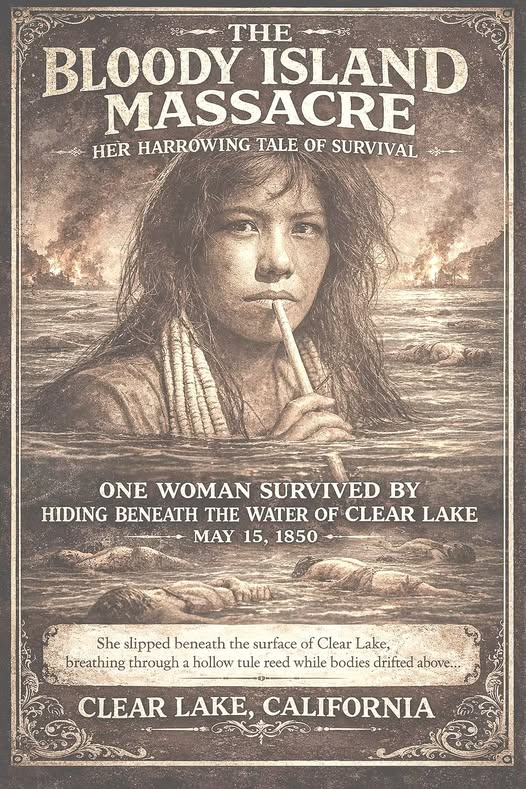
Pomo - Found in Northern California, especially around Clear Lake.
Yurok - Residing along the Klamath River and Pacific coast.
Chumash - Inhabiting the coastal areas of Southern California.
Tongva - Native to the Los Angeles Basin and Southern Channel Islands.
Maidu - From the northern Sierra Nevada foothills.
Hupa - Along the Trinity River in Northern California.
Each tribe has its own government, cultural programs, and efforts to preserve their languages and traditions. Many tribes welcome visitors to learn about their history through museums, cultural centers, and events.
If you want to dive deeper into the stories of these tribes, I recommend visiting resources like the California indigenous tribes blog, which offers detailed information and updates on preservation projects.

Ceremonial drum, an important cultural item among many California tribes.
How the Coast Miwok Preservation Project Supports Cultural Legacy
One inspiring example of cultural preservation is the Coast Miwok Preservation Project. This initiative focuses on honoring the history, culture, and ancestral lands of the Coast Miwok people in Marin County. Their work includes:
Educational programs that teach local communities and schools about Coast Miwok traditions.
Land stewardship efforts to protect sacred sites and natural habitats.
Cultural events that celebrate traditional music, dance, and crafts.
Language revitalization projects to keep the Coast Miwok language alive.
Supporting such projects is crucial. They not only preserve the past but also empower future generations to carry on their heritage with pride. If you’re interested in helping, consider donating or volunteering with local organizations dedicated to indigenous preservation.
Why Preserving Indigenous Cultures Matters Today
Preserving the cultures of California’s native tribes is about more than just history. It’s about respect, identity, and justice. These communities have faced many challenges, including displacement and cultural loss. By supporting their preservation efforts, we help ensure their voices are heard and their traditions continue.
Moreover, indigenous knowledge offers valuable lessons in sustainability and environmental care. Their deep understanding of the land can guide us toward better stewardship of natural resources.
I encourage everyone to learn more about the california indigenous tribes and consider how we can all contribute to honoring their legacy. Whether through education, advocacy, or simply sharing their stories, every effort counts.
Exploring the rich tapestry of California native american tribes has been a rewarding journey. Their resilience, creativity, and connection to the land inspire me deeply. I hope this glimpse into their world encourages you to discover more and support the ongoing efforts to preserve these incredible cultures. Together, we can help keep their stories alive for generations to come!